Life-After-Breast-Cancer-877x470-1

SURVIVAL STORY : LIFE AFTER BREAST CANCER

Hearing the words “you have breast cancer” changes the lives of thousands of women every year in Pakistan. Learn more about the personal experiences of a breast cancer survivor as she opens up about her journey and life after breast cancer.

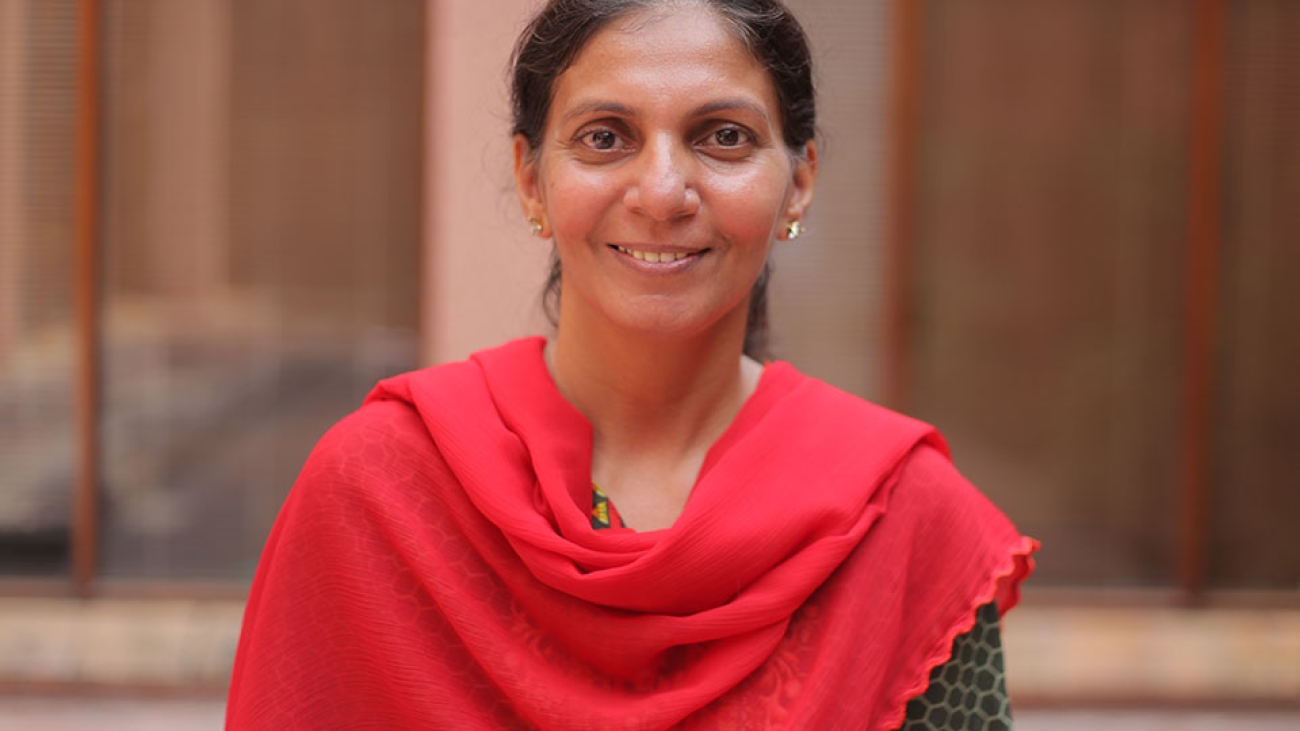
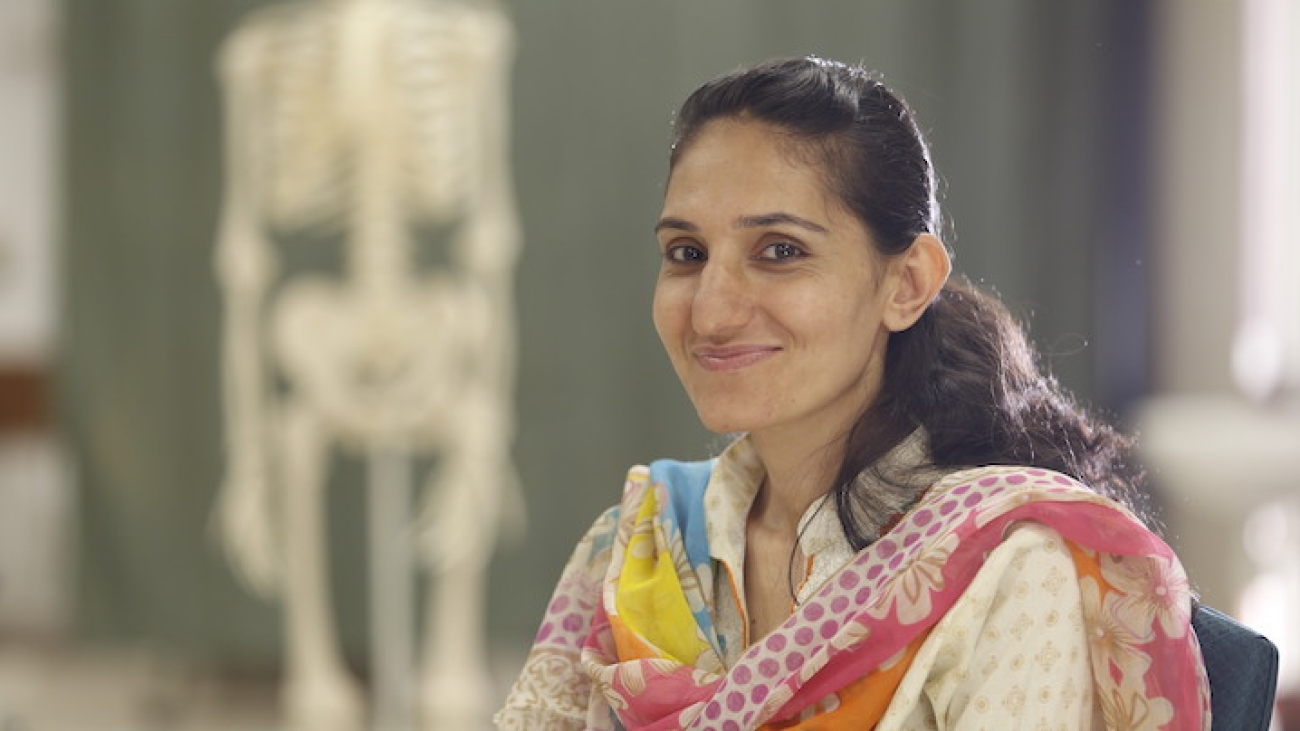
Hameeda Nasir was 26 when she was diagnosed with breast cancer. She is the sole earner of her family. “It was May 2017, when I got to know about my cancer. I was pretty devastated and scared and in shock. My family was planning my wedding in September of that year. I got really anxious and depressed after knowing I have breast cancer. I was not able to sleep at nights.” tells Hameeda.

Even with the diagnosis, Hameeda kept pushing herself. “I was on chemotherapy for a year and a half, in treatment, and was also working to run my house. I didn’t have time to rest. I had my double mastectomy in July 2017 and went back to work two weeks later. That was the only way I was going to be able to pay for the surgery and chemo while still being able to pay rent of our house and have a livelihood. The whole process was incredibly challenging, humbling, and scary at times.” says Hameeda.

After enduring hair loss and menopause as a result of treatment, her fiancé left her and refused to marry her.

Hameeda says, “Life after breast cancer was not easy for me. I puked, I cramped. I was tired. I was irritable. I was desolate. I was terrified. I was lonely.”

“You are never the same after going through cancer treatment, from every aspect of life. You are forever changed physically, mentally, emotionally and spiritually. It has been 5 years since my diagnosis of Stage 3 breast cancer and I am still trying to find my new normal.”

says Hameeda Nasir

This article was take from the pink ribbion hospital website.

Patient Story - 13October 2020_v1

​Nusrat Charolia, the Breast Cancer Conqueror​​​​

For people facing a cancer diagnosis, hearing from others who have been through the same journey as them can be a great source of hope, comfort and support. Nusrat Charolia’s story of resilience and strength while battling cancer is one that does indeed, radiate hope and inspiration.

“I first detected a lump in my right breast about a year ago.” says Nusrat, a 46-year-old mother, wife and now, a cancer survivor. Having no family history of breast cancer, she did not expect to be embarking on this treatment journey in her middle age. 

“I immediately went for a medical consult from a doctor, who told me to wait it out and see how it progresses.” 

Nusrat remained unsatisfied by that advice and decided to reach out a neighborhood friend, who was a breast cancer survivor herself. Her friend referred her to Dr. Lubna Mushtaque Vohra, a consultant breast surgeon at AKUH. 

After her initial tele-consult with Dr Lubna, Nusrat was advised to undergo a biopsy so that the lump in her right breast can be assessed for the diagnosis. Nusrat still remembers how scared she was and, on some level perhaps, knew it was cancer. Unfortunately, the biopsy did confirm her worst fear. She had stage-I breast cancer. 

“I still consider myself fortunate to have been diagnosed early.” she remarked with a breaking voice, as she recalled her emotional journey. 

After processing the initial fear and shock, Nusrat being the strong woman that she is, accepted and surrendered her fate to Allah. 

“I kept telling myself, whatever happens now, happens. I will fight it with everything I have, and the rest is in the hands of Allah.”

However, her brave demeanor faltered when her 15-year-old daughter Arf, found out about her mother’s illness. As she reflected upon her daughter’s support during her fight, Nusrat became overwhelmed with emotion and had to pause and take a few moments to compose herself. 

“My daughter was my rock during this fight. She has been the biggest source of my strength and support.” She said while wiping her tears. “We both stayed strong for each other’s sake. She would be juggling her studies and house chores for me willingly. It has made our mother/daughter bond even stronger.” 

After her diagnosis, Nusrat was given the hard choice of choosing between a lumpectomy and mastectomy. Although, it is an extremely difficult choice to make for any woman, Nusrat’s cheer squad was her strongest support system that stood by her through every waking minute. 

“I wish no woman should have to make this choice. But, my husband’s support was unconditional. He told me that he will stand by me, no matter what path I decide to take.”

Nusrat wanted to minimise the chances of relapse as much as possible. Hence, she proceeded with the option of mastectomy. 

On 4 May 2020, she went through the surgery with her brave face on. Since the cancer was diagnosed at an early stage and had not spread, she did not have to undergo chemotherapy. ​ 

“Initially, I was concerned to undergo a major surgery during the pandemic. But, seeing the safety precautions at AKUH really helped put my mind at ease.” said Nusrat, while recalling the day of her surgery. “They would not risk my safety and ensured I got tested for COVID-19 before the surgery.”

Following the successful mastectomy performed by Dr. Lubna, Nusrat was happy to be discharged the very next day. She was excited to go back home to her daughter Arf, who could not visit due to visiting restrictions at the hospital during the pandemic.

Speaking of her experience with the doctors, Nusrat had nothing but praises for them. She commended the medical team at AKUH, who treated her with so much compassion. While Dr. Lubna gave her personal contact number in case of medical emergencies and / or queries, Dr. Azmina Tajdin provided her a lifesaving tele-consultation. 

“I truly believe no hospital can compete with AKUH’s standard of care and facilities.”

Four months into recovery, Nusrat is grateful to God for granting her a new life. She has a renewed and positive attitude that keeps her going and is satisfied with her treatment plan at AKUH. 

“My heart brims with gratitude for my doctors and my family, who never once let me give up. In my darkest moments, they all were the driving force behind my strength.” ​

This article was taken from agha khan hospital’s serviour stories of breast cancer

Two hands exchanging a pink ribbon symbolizing breast cancer awareness and support.

​​My Journey

Sadaf Ahmad was having a shower one day, when she felt a hard growth in her breast. Sadaf had heard about the importance of having an immediate check-up through awareness raising health programmes on television, and she discussed the situation with her mother. Her mother and other female family members encouraged her to obtain professional help and after some tests, she was eventually referred to the Breast Clinic at the Aga Khan University Hospital.

Sadaf had always believed AKUH was too costly for people like herself. However, she was pleasantly surprised at the caring attitude of the doctors at the Breast Clinic and the welfare programme officers at the Hospital. She was impressed with the excellent system in place for patients such as herself who needed both medical and financial assistance.

“The treatment for this disease is very expensive. However, all the breast cancer patients here are treated equally. The doctors are very cooperative and understanding: they work with the patient to provide her the best options and a way forward.”

Sadaf’s family was shocked to hear her diagnoses, as she was the first woman in her family to have breast cancer. However, they were very supportive, particularly as she became more unwell and was slowly unable to perform her regular tasks in the household.

For three years, Sadaf underwent treatment for breast cancer. She underwent surgery, followed by seven sessions of chemotherapy and nineteen sessions of radiotherapy.

“Dr Tayabba told me never to let my will-power fail, or I would become weak”, Sadaf recalls.

During the time she was ill, Sadaf’s greatest concern was for her daughters, now aged thirteen and eleven years. Her daughters missed many days of school while Sadaf was unwell. They would become frightened when she returned home after chemotherapy and suffered from the after effects such as loss of hair and darkened nails. Fortunately, her husband was understanding and supported her and the children’s needs.

Her faith in God and the support of her family and doctors gave Sadaf the courage to survive the ordeal. Today, she is fully recovered from breast cancer and leading a normal life.

“I became closer to God during this entire experience. God gave me this disease, and He also helped to cure me,” she says.

“During my difficult times, I also became closer to people as I realised who was really helping me and who were my true friends,” she adds.​

credits to agha khan hospital

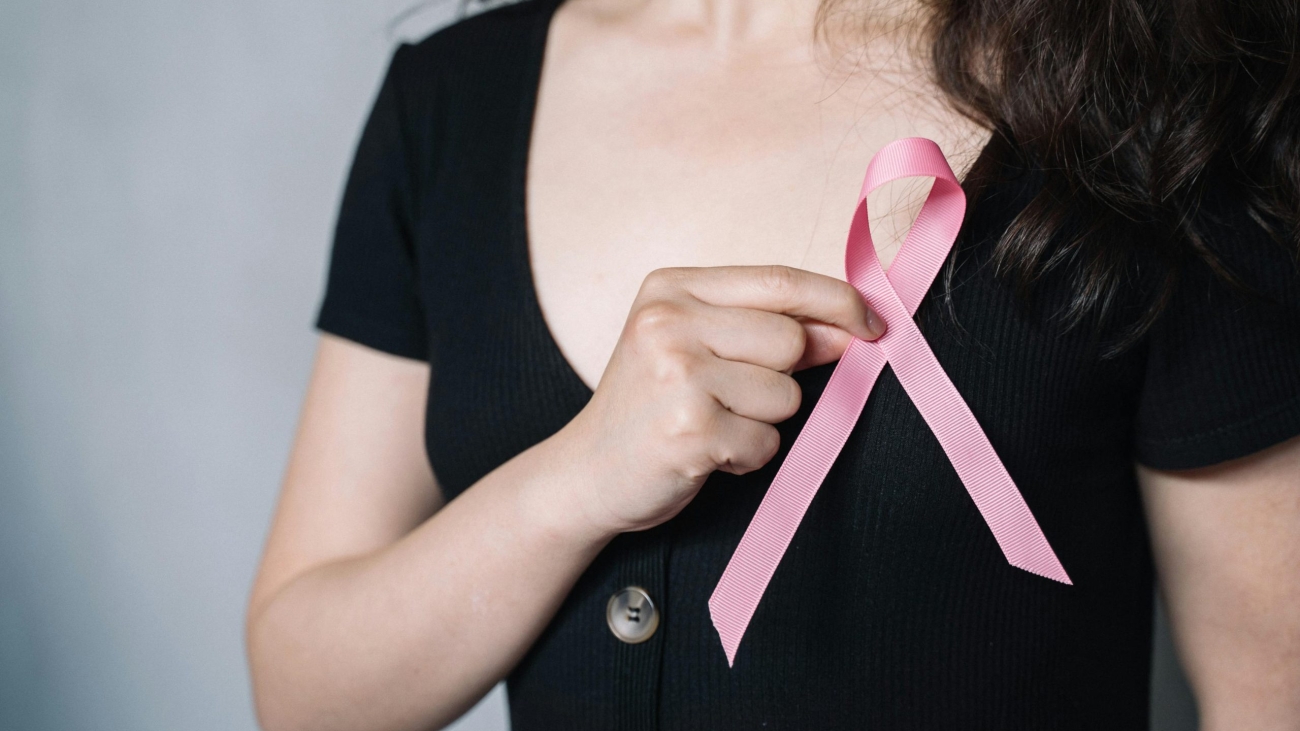
Close-up of a woman holding a pink ribbon symbolizing breast cancer awareness and support.

“Our attitude of – Oh Lord, what utter tragedy you’ve come across, you have breast cancer – is the worst behavior that a breast cancer patient should be exposed to,”

says Zarina Khatun Syed, a survivor.

“People need to understand that breast cancer is not a punishment, but a disease like many others and needs to be treated accordingly.”

A 68-year-old, visiting lecturer at Kinnaird College for Women, Zarina was head of the department of Urdu at the college, in 2009, when she felt a cyst in her left breast. She was aware of the change in her body, but could not spare time for a mammography. It wasn’t until Pink Ribbon opened a free mammography camp at her college that she tested positive for breast cancer. Luckily her cancer was detected in the first year, which not only saved her life, but also spared her from several difficult stages of the treatment.

Zarina went to Chicago to get treatment, after her initial biopsy at Shaukat Khanum Memorial Cancer Hospital. She insists that the facilities at INMOL and SKMCH are at par with the global standards.

“Support and encouragement helped in my healing”, says Mrs Ashraf, another breast cancer survivor since 1991.

These women are the lucky few who got help at a time, where it was possible to treat and cure them.

“Most of the breast cancer patients that come to our walk-in clinic are at an advanced stage of the disease,” says Dr Neelum Siddiqui, head of medical oncology at SKMCH.

Siddiqui says more people need to get their self-examination done, and the doctors need to be able to identify a problem. This requires training at the grass root level, so that people can be directed to experts.

Oncologists and surgeons claim that they have started seeing more and more females in their 30s and even 20s with breast cancer in Pakistan. Various studies show that the average age in Pakistan for a female breast cancer patient lies between 45 and 50 years.

Over 44% of the women who went to SKMCH for treatment in 2011 suffered from malignancy in their breasts. Incidence of female breast cancer in 2011 is greater than the combined number of the malignancies found in both sexes and all age groups. Over the years the doctors have seen a stark increase in the number of breast cancer patients. At INMOL, 4,087 patients of breast cancer were registered.

While age and gender are the biggest risk factors in breast cancer, genetics also play a role.

According to Dr Usman Rasheed of SKMCH Research Center, females can also carry the BRCA 1 and BRCA 2 genes from the male member of the family, for instance the father,

Most developed countries have national screening programs for early detection and cancer registries, which collect data for research and treatment of cancer patients. Unfortunately, in Pakistan there is still a dire need for the authorities to set up similar prevention schemes that can save women from this silent killer. According to experts, one of the most effective ways to educate women in rural areas about the disease and help them with self-examination is through lady heath visitors.

In addition to early detection, experts also emphasize that development of facilities for care and management of those diagnosed with breast cancer is crucial. To achieve this Pakistan needs a network of dedicated diagnostic breast clinics and at dedicated breast care centers, preferably as part of tertiary care public sector hospitals.

However, Pakistan has come a long way from the time when Pink Ribbon workers were told they could not use the word ‘breast’ during awareness campaigns in different cities, says Assistant Manager Operations of Pink Ribbon, Muhammad Hanif. But the complications due to cultural conservatism still persists as the organization faces censorship in educational institutions and other forums till date.

Hanif also said that that due to an increase in awareness, local dealers like Kodak and Fuji were having difficulties to meet the demand for film used in mammography.

Survivors say that in order to live full lives, myths like losing your looks and hair need to be countered. Healthy diet, exercise and support by loved ones is the quickest way for a survivor to return to her former self.

credits of article to express tribune.com.pk

Arzoo Saltanat

​No Mountain Is Too High: A Triumph Over Breast Cancer​​

Arzoo Saltanat, a cancer survivor, has this message for all women:

“Look after your body. Have regular check-ups and seek professional help immediately if you feel that something is wrong. Don’t ignore symptoms, as I did. I did not know what the consequences of ignoring my health would be.” 

Arzoo Saltanat is a native of Gilgit, a mountainous region to the north of Pakistan. For the last three years, an ordeal has overshadowed Arzoo’s life: her fight against cancer. Arzoo seems too delicate to have fought off cancer – and too young to have been diagnosed with it in the first place.

But cancer strikes women regardless of their race, ethnicity, age or occupation.

Sadly, Arzoo detected something unusual in her breasts, but ignored the symptoms of her illness for several months. She was unaware of the risk of breast cancer. She was also busy pursuing her job and professional interests in Karachi, after moving here from Gilgit in 2008. Finally, her younger sister, who is a student of nursing at the Aga Khan University, suggested that she have a check up.

A visit to Aga Khan University Hospital saved Arzoo’s life. A test result revealed that she had breast cancer. Dr Shaisa, her physician, recommended surgery and went as far as speaking to Arzoo’s parents, in order to motivate her to start treatment for the illness. 

Arzoo was very scared after she heard her diagnosis.

“I had heard so much about the side effects of chemotherapy, that I said I would rather die than undergo the treatment!” Arzoo exclaims.

With the encouragement and support of Dr Shaista and the team at the AKUH, as well her family, Arzoo continued her treatment and then her follow-up visits for three years.

Her fight against cancer was no less difficult than climbing a mountain in her native Gilgit. After multiple surgeries and the loss of her breast, Arzoo had to undergo twelve sessions of chemotherapy, followed by radiotherapy and regular injections. Yet she made it to the mountain summit.

“Now the doctors say that everything is perfect and my test results are finally coming clear” says Arzoo, with some relief.

Arzoo is full of praise for the quali​ty of care and the kindness of the medical team at the AKUH and the “personal interest” they took in her well-being. 

She was also assisted financially by the Patient Welfare Programme when the cost of the treatment was too high for her family to bear.

Today, Arzoo is learning about sewing and cutting, to pursue a career in fashion design. Her life has finally returned to normal.

credits to agha khan hospital

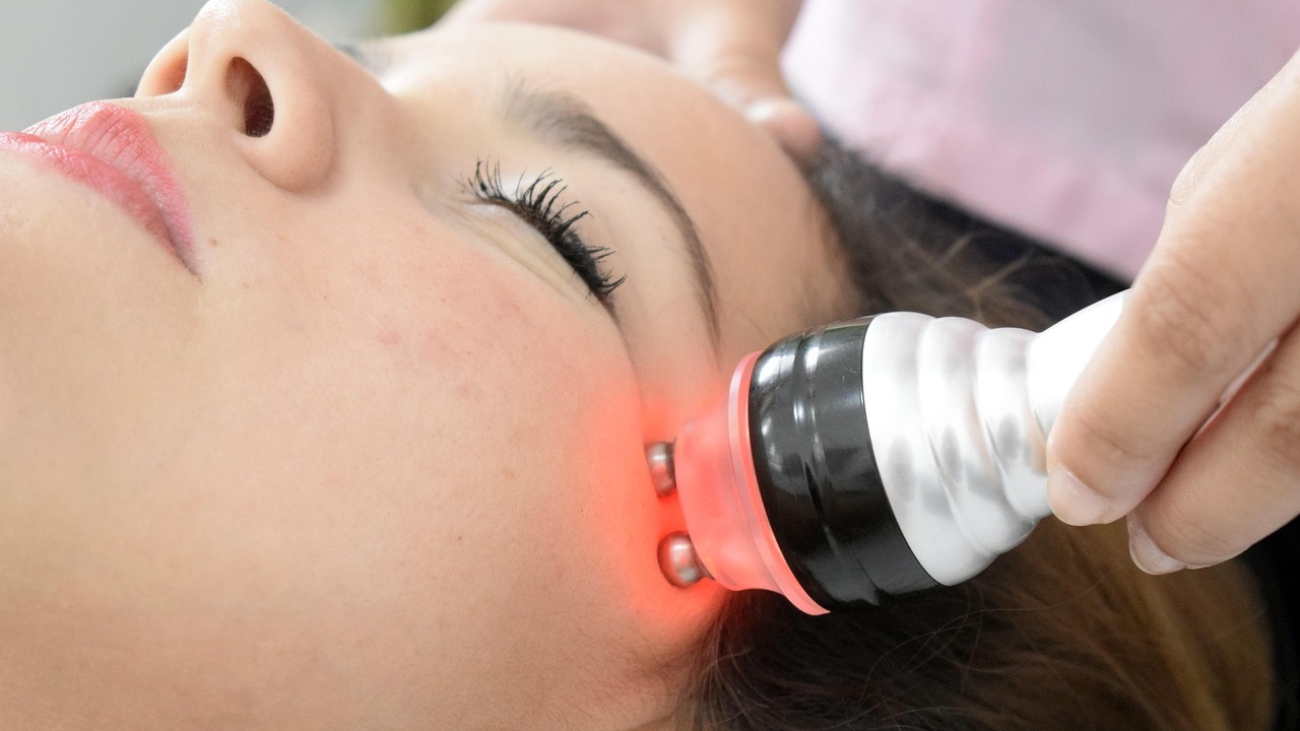
cavitacion, lipolaser, cosmeatria, vacuterapia, estetica, spa, digital marketing, cancer breast, pink ribbon, feminine, bell, women, awareness, support for, symbol, protection, health, metaphor, disease, symbolic, cockade, ad, prize, logo, entrepreneur, estetica, spa, spa, spa, spa, spa

Marsha’s story: Breast cancer survivor and raising awareness through dance

Dance teacher Marsha Schaefer wasn’t expecting a breast cancer diagnosis. But after seeing a friends’s social media post, something clicked. She checked her breasts, found a lump, and acted quickly.   

“I immediately called my doctor, who sent me for a mammogram, ultrasound and later a biopsy,” Marsha reflects.  

The diagnosis was triple negative breast cancer, a fast-growing and aggressive form of the disease that required urgent treatment. 

The shock of a cancer diagnosis  

At 44, the devastating news caught Marsha off guard and flipped her world upside down.  

“My initial thought was, I was letting my family down,” Marsha remembers. “I’ve got three boys, and my youngest was nine at the time.” 

She adds, “They took it as best as they could. My youngest told me it was all a bad dream and I’d wake up and be okay – and I had to believe him.” 

Navigating cancer treatment in regional NSW 

Living in Armidale meant Marsha faced a daily three-hour round trip to Tamworth for her radiotherapy – all for a 20-minute appointment. 

“That’s hours on the road every day – it’s exhausting. The travel alone wears you out,” Marsha says. 

That’s where Cancer Council stepped in. 

“A friend told me about the Transport to Treatment service, and I got in contact with Cancer Council,” Marsha explains. “They not only arranged transport to Tamworth, they also helped coordinate my appointments so everything aligned. I’m truly grateful for that service. It was just one less thing to think about.” 

Finding joy again – and giving back 

Throughout her treatment – including five months of chemotherapy, surgery, and radiotherapy – Marsha held on tightly to the things she loved most: her family, her students and her love of dance. 

“I love to dance. It brings me so much joy. I think I’m truly a little girl in a grown-up’s body,” she says. “I’ve danced since I was about six years old, and it’s just part of who I am.” 

Now cancer-free and back teaching, Marsha, is using dance as a way to help others. Earlier this year, she performed in STARS of Armidale, a community fundraiser that pairs local ‘stars’ with dance teachers to raise money for those affected by cancer. 

“During my treatment, I just wanted to get back to dancing,” she says. “STARS felt like the perfect way to give back. My husband and I dancing together – it was a joy. It was a celebration of what we’ve been through and a way to raise money for a cause that means so much to us.” 

Creating change through awareness 

Marsha isn’t just sharing her story out of sheer gratitude for surviving – she’s hoping it will create a ripple effect, helping others along the way.  

“I need to pay it forward,” she says. “If I hadn’t seen that post, I wouldn’t have checked my breasts, and who knows what might’ve happened.” 

For Marsha, it’s about empowering more women in rural communities to get a mammogram. 

She says, “Early detection saved my life. If I didn’t find the lump when I did, I might not be here today. It’s such a quick process – just go and do it.” 

Nowadays, Marsha feels fantastic. “I’m living my best life. I’m back teaching dance and enjoying life with my kids and family. I feel very grateful to be in this position,” she says. 

Marsha wants others going through breast cancer to know that help is available – and it’s okay to ask for it. 

“You don’t have to do this alone. Cancer Council offers so many services – just call 13 11 20,” she says. “They’ll guide you through what’s available. It can make a tough time a little bit easier.” 

Stylish woman in pink dress with turban, posing outdoors at sunset.

Niyati’s Story: Overcoming Cultural Cancer Stigma to Become an Advocate

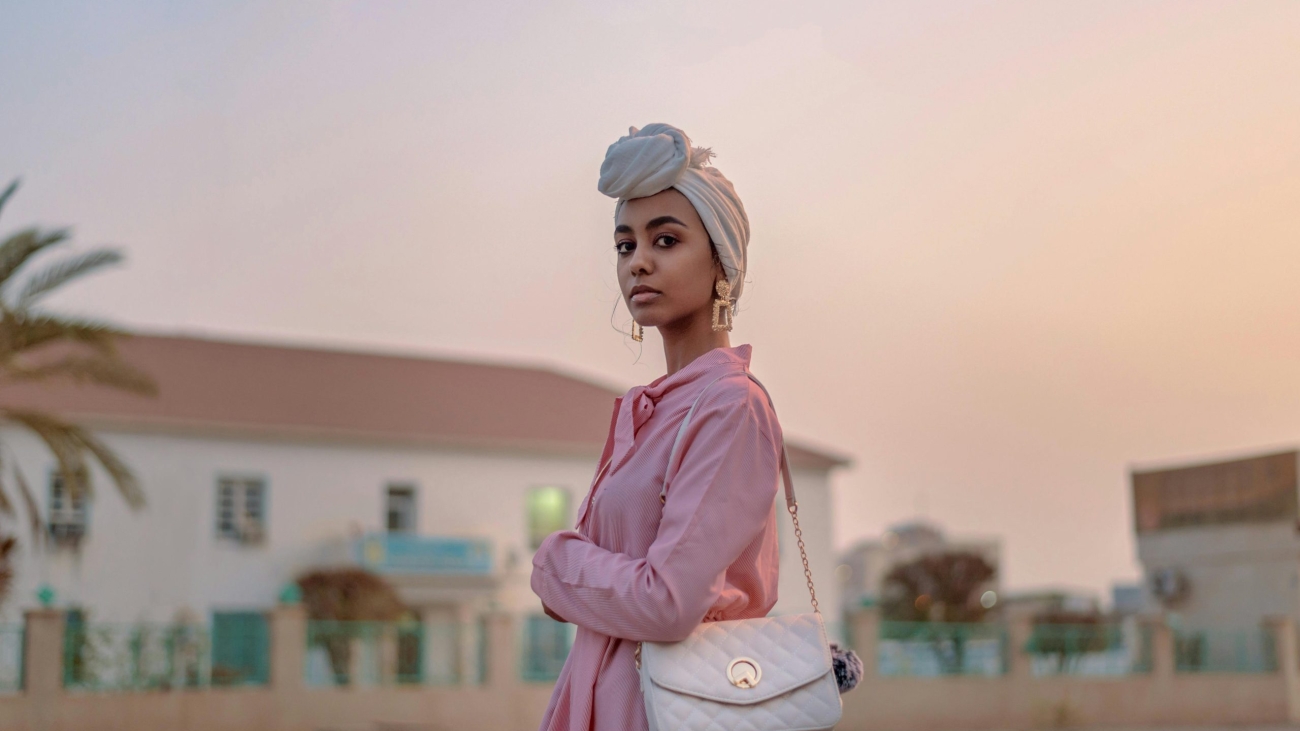
When Niyati Tamaskar was diagnosed with stage IIIC breast cancer in March 2018, she faced many uncertainties: How would she manage treatment along with her career as an engineer and mothering two small children? Which reconstruction option was the right choice for her? Should she tell others about her diagnosis?

That last question felt particularly fraught for Tamaskar, an Indian-American woman who practices Hinduism. In Indian culture, serious diagnoses like cancer are often kept secret.

“Some of that shame comes from the fact that in Hinduism, we believe in karma,” Tamaskar says. “People choose to not share cancer news because they feel like they’re paying for their sins, and they must have done something horrible. So it’s extremely complex.”

Breast Cancer and Indian Culture: Niyati’s Fight 00:06:15

Tamaskar says among many in her culture, a diagnosis like cancer is dealt with privately to avoid stigma.

“There’s an irrational belief that if you say the word ‘cancer’ out loud, it will happen to you,” she says. “And what ends up happening is it becomes the ‘C-word,’ and the word is a taboo.”

But Tamaskar knew she could not face this disease alone.

“All the feelings of shame and stigma came washing back to me, and I decided I would do the one thing we are not supposed to do, and that is tell people about my diagnosis,” she says.

Tamaskar reached out to family and friends, sharing the details of her breast cancer and treatment plan, enlisting some of them to assist the family with child care and meals. She approached the illness as an engineer would manage a project — building spreadsheets and timelines to track treatment, surgeries, and friends who offered help.

But one part of breast cancer treatment that felt out of her control was mastectomy and reconstruction. She says she just accepted her surgeon’s recommendation to have breast reconstruction with tissue expanders and implants without asking enough questions about other options. And when learning about the reconstruction process, she was dismayed to see a lack of diversity in the before-and-after photos she was shown.

“The nurse came in with the pamphlet, and I was really surprised,” she says. “It was three pages of just white women. None of them looked like me, so my reconstruction would not look like theirs.”

Since completing treatment, Tamaskar has become an advocate for breast cancer patients and survivors in the Indian community. She has conducted TEDx talks, and she even wrote a book, Unafraid: A Survivor’s Quest for Human Connection, which details her experience with cancer. While she says the writing was a cathartic exercise, she also wanted it to spark conversations in the Indian culture about the realities of cancer.

“It has gotten a lot of Indian people talking,” she says. “People from my culture, they acknowledge there is a shame, and they also acknowledge it shouldn’t be there, but they’re not able to break that cycle.”

Tamaskar says the connections she has made with other Indian breast cancer patients and survivors have become an unexpected silver lining to one of the most difficult periods of her life.

“I find people who are about to embark on this journey, this battle, and I’m able to support them — that has been a rewarding experience,” she says.

breast canncer org.com

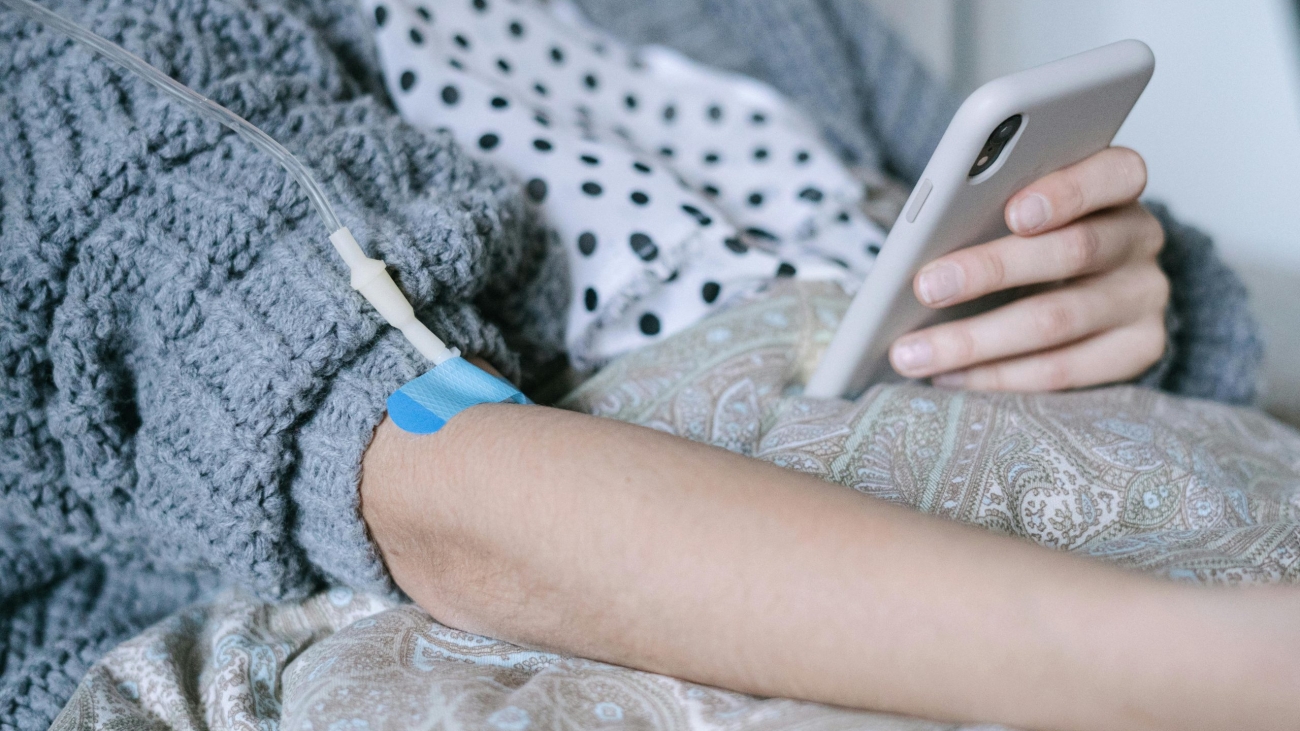
A woman receiving intravenous therapy for cancer treatment while using her phone, symbolizing connection and hope.

Eggroll’s Story: A Delayed Mammogram Came Just in Time

I was horrified to learn that my sister’s cancer had returned, 12 years after her first diagnosis. She was scheduled for a mastectomy. The thought crossed my mind, “What about me?” I was exactly the age she was the first time around. And I was a year overdue for my mammogram. After my allergy shot, my husband maneuvered me into the women’s clinic just downstairs. They had an open appointment immediately. Within 48 hours I learned that they found a “small developing spiculated mass.” This description of a star-shaped tumor is most often malignant. Nevertheless, a core biopsy came back…benign! I celebrated until morning brought me another new vocabulary word: “Discordant.” So a wire was inserted in my breast and then I walked across the room with the wire sticking out of me, a smear of my blood on the mammogram machine. They bandaged me up for the drive across town for the surgery. As cancer goes, I won the lottery I guess. They call it a “sleepy little cancer.”

But a month later, they took six nodes out. And while all of them came back without any evidence of metastasis, my arm was slightly swollen and the pain of working at the computer for hours on end was excruciating. I saw a lymphedema therapist and received a sleeve. A week before radiation, my affected breast swelled up and turned pink. I saw a different doctor every day for three days. On the third day, I told the nurse, “I’m not leaving until someone tells me what this is.” We have fancy names for bruises and scrapes, yet no one likes to say “Lymphedema.”

Even now, I’m not diagnosed [with lymphedema], yet I will need lymphatic massage two weeks after radiation. I confess that at first I felt like my life was a house of cards falling down around me in slow motion. I worried about my risk of infection. At times the bills would come in and I would feel guilty. Caregiving for a developmentally disabled family member had failed and I was having to appeal for a public guardian. Six friends and family were also fighting cancer. My home had become an empty nest. I was battling sleep apnea, arthritis and menopause.

The clinic introduced me to a nurse navigator, a social worker, a chaplain and a masseuse! Now my attitude has completely turned around! I have gained knowledge and made friends at Breastcancer.org. Last Sunday, I went to church and feel steadied by faith. I soak up massage treatments without a trace of guilt, and work a couple of Suddokus every day. I can now write, cook and clean with my non-dominant hand, which I’m very proud of. The elliptical is my friend, healthy food tastes good! My clients have been gracious to give me time off, so I can heal. Best of all, I finally feel like I’m worth going through so much treatment and expense to save my life. For me, it was all about getting the structure of support built around me and learning to lean on it. Troubles may come, but so does joy. Both my sister and I return to life with new exuberance and appreciation.